Why “free charging” isn’t always truly free
You’ll see “Free” on a map and assume it means zero cost, but the catch is usually time, access, or rules. Many free stations are “free with purchase,” limited to customers, or only active during business hours. Others are on private property (apartments, workplaces, hotels) where you can’t legally plug in without permission, even if the plug is sitting in the open.
Even when the electricity is truly free, you still pay in convenience. A slow Level 2 charger can take a few hours, and popular spots fill up fast, turning “free” into multiple laps around a parking lot. Some locations enforce parking limits or EV-only rules, and fines or towing wipe out any savings quickly.
The quickest places to find free chargers near you
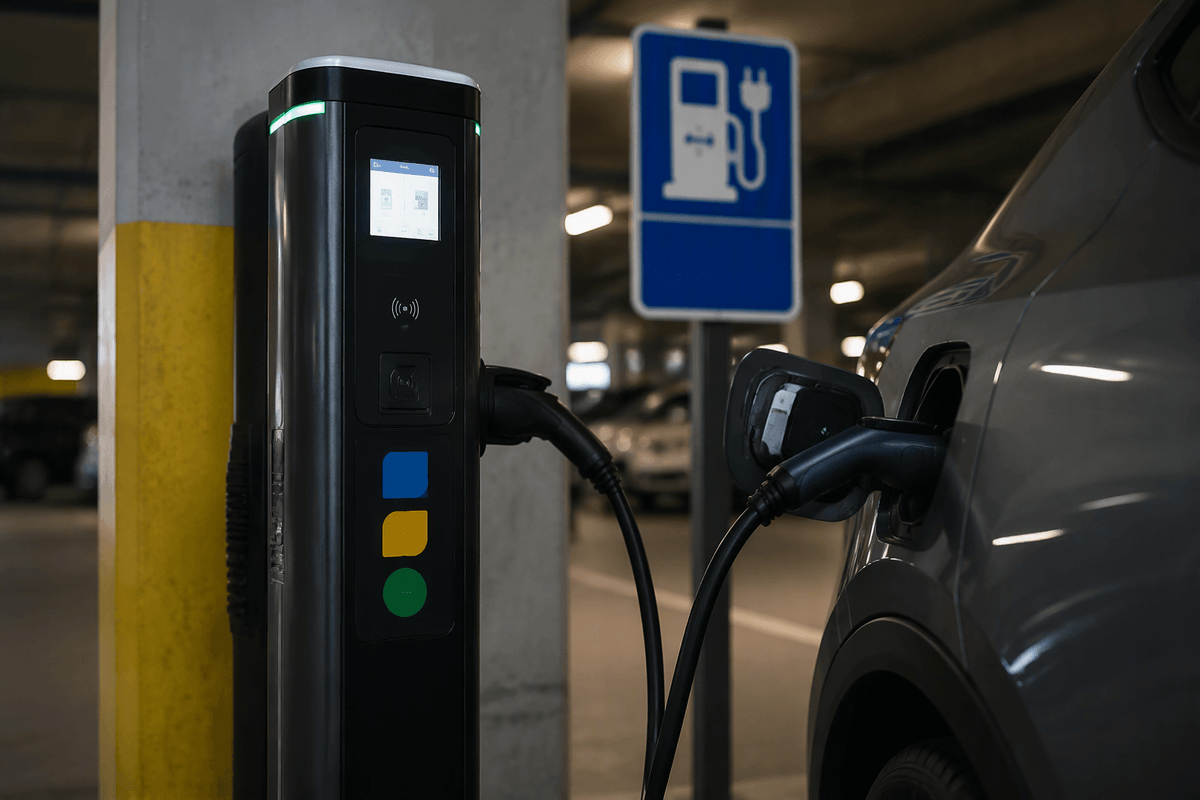
The fastest way to locate free charging is to start where you already spend time: grocery stores, big-box retailers, malls, and downtown garages that offer “2 hours free parking with charging.” Open PlugShare or ChargePoint, filter for “Free,” then immediately tap into each listing’s recent check-ins to see if people are actually charging there this week or reporting it as broken or always full.
When you need a dependable backup close to home, check public libraries, city halls, community centers, and transit park-and-rides—these are often slower Level 2 units, but they’re usually easy to access and less chaotic than retail lots. On the ground, look for official “EV Charging Only” signage and network stickers on the pedestal; if you only see a random outlet with no signs, assume it’s not public and keep moving unless the property staff confirms it’s allowed.
How to read listings so you don’t show up disappointed
You’ve probably tapped a “Free” pin, driven over, and found a pay-to-park garage, a locked gate, or a charger reserved for employees. Before you commit, treat the listing like a checklist: confirm the exact price (some are “$0 to charge” but require a paid session to start), the parking cost, and any time limits. Scan the photos for signs that say “customers only,” “permit required,” or “valet only,” and look for notes about business hours—many units shut off after closing.
Then sanity-check access and reliability. Sort recent comments by date and trust patterns over one-off reviews: “ICE’d every evening,” “broken connector,” or “needs RFID card” matters more than a five-star rating from last year. Pay attention to plug type and power level (a free Level 2 at 6 kW might only add 15–25 miles per hour), and count stalls—one plug at a busy store is basically a lottery. When in doubt, call the front desk or property office; it’s a two-minute check that can save a wasted trip.
Free charging hotspots: stores, libraries, campuses, and more
You’ll have the best luck with free charging where the host already wants you to linger. Big-box stores, groceries, malls, and movie theaters sometimes offer complimentary Level 2—usually near the entrance, usually limited to business hours, and often “free” only because the cost is baked into the visit. Treat these as opportunistic top-offs: arrive early, plan a 60–120 minute stop, and don’t count on getting a full battery.
Libraries, community centers, and city-owned lots are the calmer option. They’re rarely fast, but they’re more consistent and less likely to be blocked by shoppers. Check for posted parking limits, and watch for “while in the building” language that can trigger tickets if you plug in and leave.
College campuses can be surprisingly good—especially visitor garages—but they’re also the easiest place to get burned by permits, towing rules, or chargers reserved for staff. If the listing doesn’t clearly say “public,” assume you’ll need to pay for parking or register at a kiosk.
Work, apartment, and hotel options that cut costs most
If you have even one predictable place you park for hours, that’s where free charging pays off fastest. At work, the main hurdle usually isn’t finding the plugs—it’s access. Some sites require an employee badge, a waitlist, or a signup in a building app. Check the listing notes for “employees only,” then ask facilities or HR what the real rules are: time limits, whether you must move at lunch, and what happens if you leave it plugged in all day. A charger that’s “free” but regularly triggers awkward Slack messages is still a cost.
Apartments and condos are similar, just with more paperwork. If your building has shared chargers, find out if they’re actually free or if the electricity is billed through a network fee. If there’s no charging yet, the money-saving move is requesting a dedicated outlet or Level 2 spot tied to your meter—cheaper over time, but you may face HOA approvals, electrician costs, and limited panel capacity.
Hotels can be the easiest “free” charging on trips, but only when you confirm it before you book. Call and ask: is it guest-only, is it first-come/first-served, is it valet-controlled, and are there idle fees or overnight time limits?
Promotions, memberships, and utility programs that make charging free
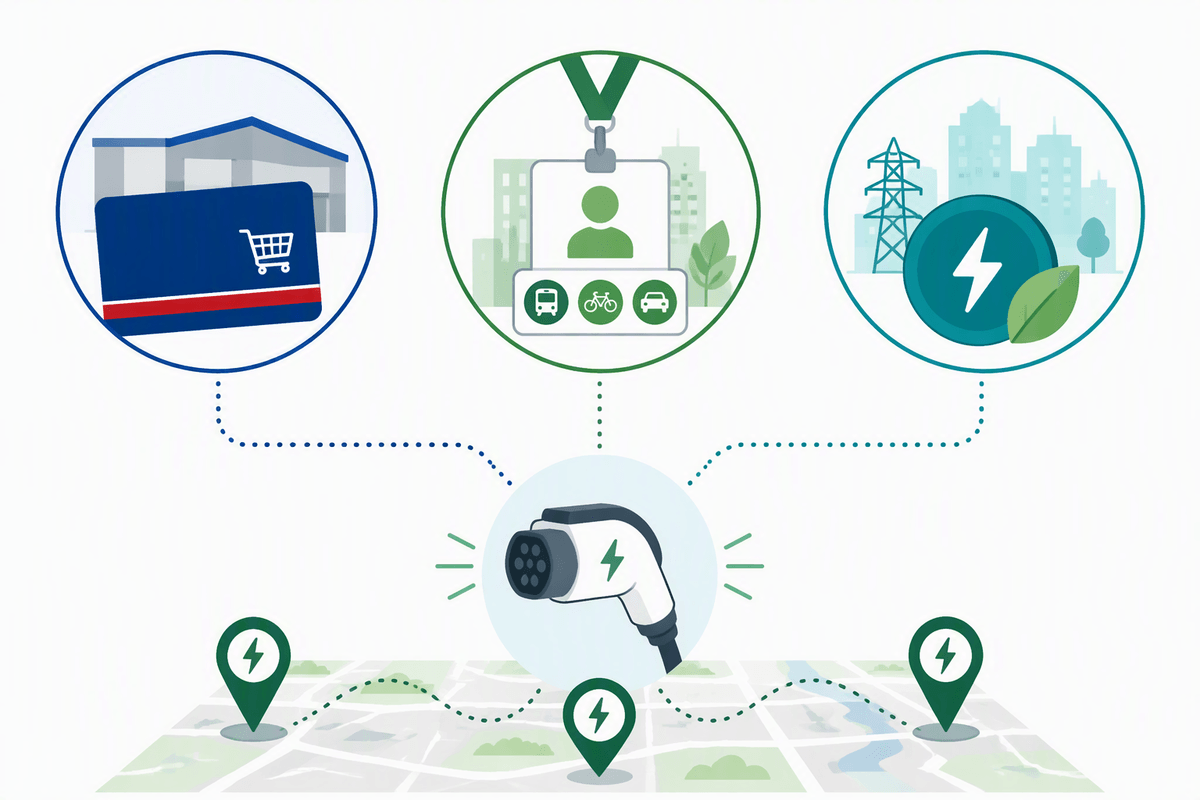
You’ll run into “free” charging most reliably when it’s tied to a program, not a random perk. Dealerships sometimes include a limited-time public charging credit with a new EV, and some charging networks run occasional promos (holiday codes, partner discounts, first-session offers). The practical move is to keep one folder in your phone with screenshots of the offer terms, the expiration date, and any “must start a paid session to activate $0” fine print so you’re not troubleshooting at the pedestal.
Memberships can also function like free if they erase your usual routine costs. Warehouse clubs, workplace commuter benefits, and certain retail loyalty programs may bundle free sessions or discounted rates at specific locations. The catch is lock-in: you might drive farther or wait longer just to use “free,” and busy sites can turn it into a time tax.
Utilities and city programs are the sleeper option. Some offer rebates, off-peak credits, or free public charging pilots—usually with enrollment steps, income caps, or limited neighborhoods—so it’s worth checking your utility’s EV page and setting a calendar reminder for application windows.
Etiquette and strategy: get free power without friction
You’ll get the most reliable “free” charging when you treat it like shared parking, not a personal fuel pump. If a spot is busy, don’t plug in and disappear for half a day—set a timer, and move as soon as you’ve grabbed the miles you actually need. Many locations have informal norms (one or two hours, or “while shopping”), and breaking them is how free sites end up gated, ticketed, or converted to paid. If the station has a sign-in sheet, QR waitlist, or a “call when done” note, use it.
Make it easy for the next driver. Park centered, don’t stretch cables across adjacent stalls, and leave the connector seated properly. If you find a broken handle or an offline station, post a quick, dated check-in with a photo so others don’t waste a trip. Carry a simple backup (your mobile connector and any adapters you regularly need), because free stations are often the ones that get fixed last.
Build a backup plan so “free” never strands you
You’ll eventually hit the free-charging trifecta: occupied, broken, or gated. The fix is having a “Plan B” before you pull in. Save two nearby paid fast chargers (different networks) and one dependable Level 2 (library/garage) as favorites, and screenshot the access notes in case cell service is weak. Keep a minimum buffer—think 20–30 miles—so you can leave and still reach a paid option without stress.
Carry your mobile connector and the adapters you actually use, and confirm you can pay on the spot (RFID card or app login that works). Free often costs time, so decide upfront when you’ll stop waiting and just buy the kWh.